[3 CE CREDIT HOURS]
AASECT CATEGORY
CKAs: B, C, D, E, G, I
DESCRIPTION
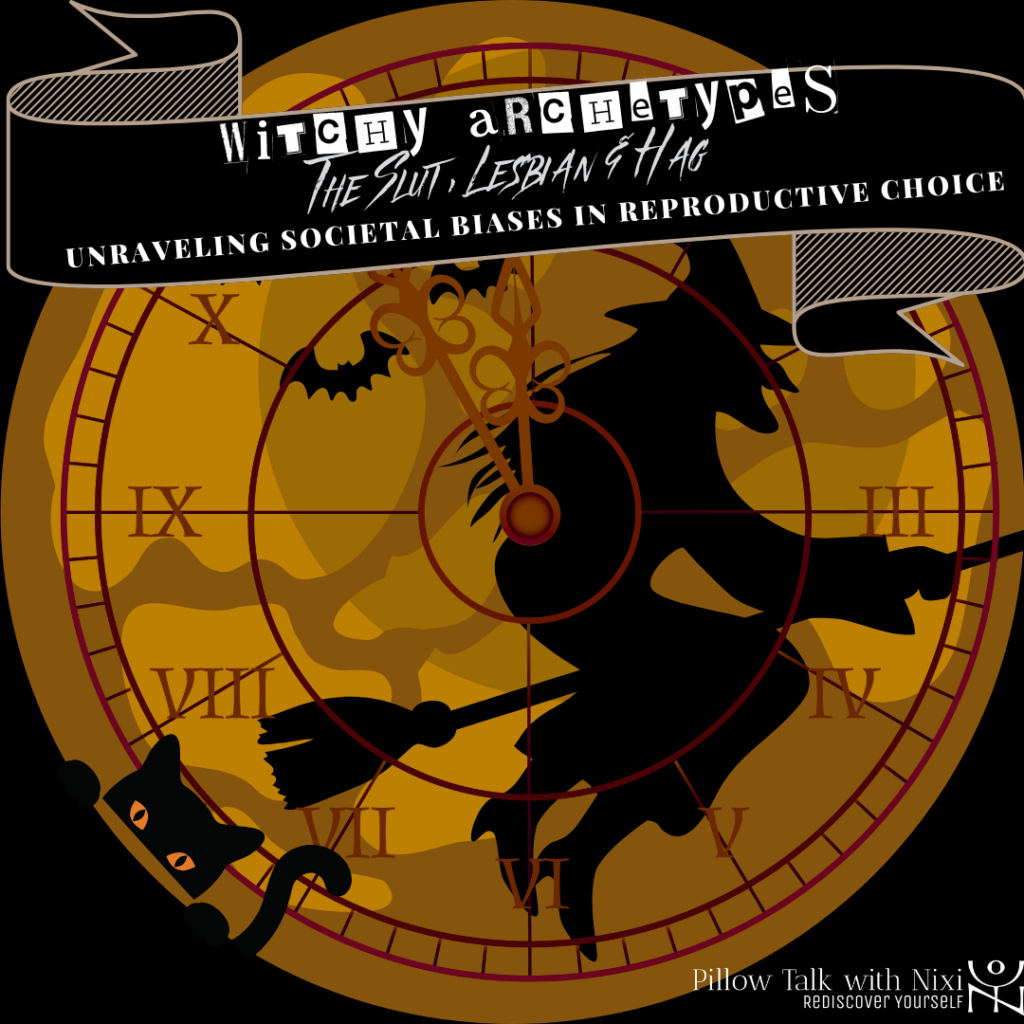
Centuries have passed since the Witch Trials. However, we are still living by the prejudices and beliefs stemming from medieval Europe. In a patriarchal society, a woman is nothing but property. Her only assets are beauty and reproductive ability, tolerated in conditional quantities. For the rising popularity of the Church, free will, education, independence and money with respect to women were not only frowned upon, but those possessing such assets were historically condemned.
The success of the Patriarch, their strong-foothold upon their followers, heavily depended upon the Chambers of Oppression they had erected. A woman’s primordial importance in this society was her role in marriage and motherhood. Any woman who digresses from this idealized concept of “Womanhood”, was often dealt with harshly. The terms Witch, Slut, Feminist and Lesbian are not just historical in their categorization of idealized versions of womanhood, but are prevalent in today’s world.
As we experience Witch Trials today, let’s revisit the past, the politics, the perceptions that played a major role in the loss of lives by these women. Let’s draw parallels between the Witches of yesterday and those of today.
LEARNING OBJECTIVES
- By the end of the session, attendees will be able to examine societal implications of gendered archetypes within the witchy narrative.
- By the end of the session, attendees will be able to critically evaluate media representations of women categorized as witches, alongside drawing parallels with real-world figures.
- By the end of the session, attendees will be able to elucidate the intersectionality of gendered biases in the construction of witchy archetypes with other axes of identity, including race, class, caste, sexuality, age and religion.
EDUCATOR BIO
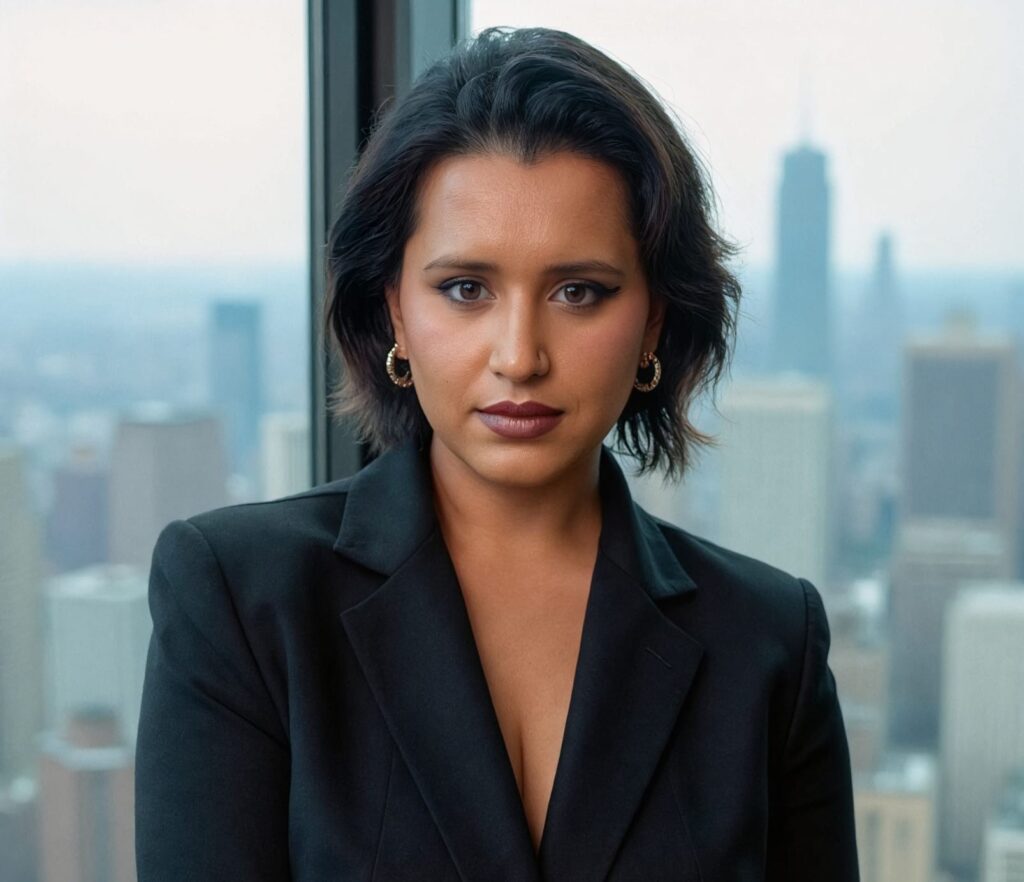
Nishita Rao (she/her) holds an MS in Neuroscience with a focus on Behavioral Neuroendocrinology and a BE in Biotechnology, specializing in Brain-Computer Interfaces & Phytochemistry. Her courses span across disciplines such as Sexual Sciences, Neuroscience, Anthropology, Molecular Biology, Behavioral Sciences, Political Science, Linguistics, Dance Ethnography, Ethnomusicology, and more. She is also the First Indian AASECT Certified Sex Educator (CSE).