[3 CE CREDIT HOURS]
AASECT CATEGORY
CKAs: A, C, N, P
DESCRIPTION
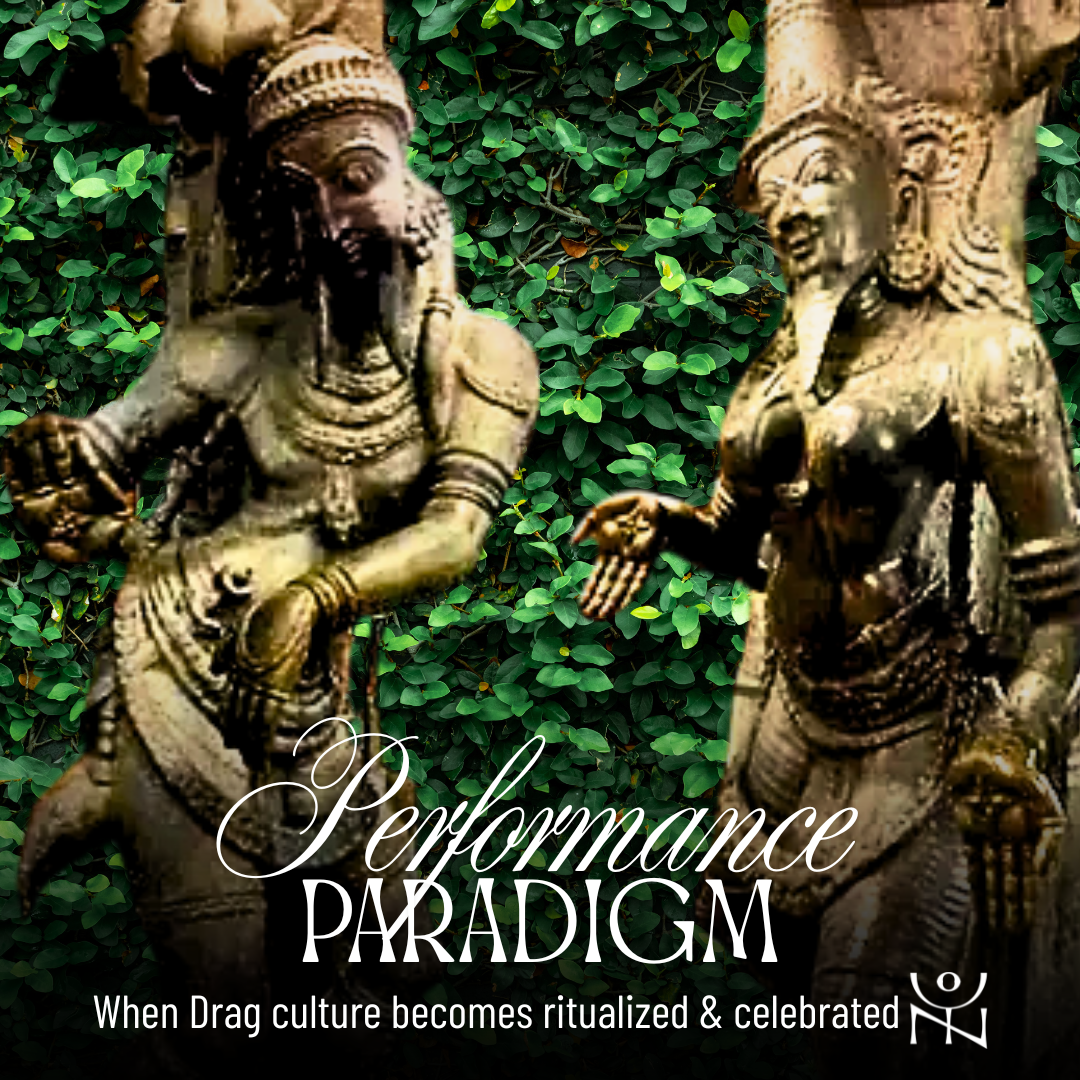
In South Asian history, we often see that the roles humans occupy are gendered. For example, while the seat of the kingdom rests with the king, the dancers for entertainment were femme. However, the role didn’t always specify who occupied it. From Queens occupying the throne, adorned in the king’s attire, their official seal still reading “His Royal Highness” to performing arts traditions featuring men dancing as women; to women leading armies and defending their land against invaders and colonizers; all the while dressed in the male attire; to men, composing songs, describing themselves as courtesans of the protagonist, South Asia has a rich history of mimetism and impersonations.
We will be highlighting cultural practices of Chamayavilakku Festival (Kerala), Launda Naach (UP/Bihar), Koovagam Festival (Andhra Pradesh), Suduma Garba (Gujarat), Bhamakalapam Dance-Drama Tradition (Andhra Pradesh) Gotipua Dance (Orissa), Sakhi Bekhi Sect (UP/Bihar/Begal/Orissa), where men dress in a femme attire and even perform as an act of devotion. Let’s look into the history of drag performances, cross-dressing and trans-women festivals in South Asia, and trace this cultural heritage across the land.
LEARNING OBJECTIVES
- By the end of the session, attendees will be able to contrast drag culture in the West (for ex: US) with that in the East (for ex: India) to identify their purpose and need for existence in society.
- By the end of the session, attendees will be able to analyze the differentiate between Butler’s framework of gender subversion and Silvio’s performance paradigm, shifting the analytical focus of drag from the critique of a gender binary to the active process of production of the persona itself.
EDUCATOR BIO
Nishita Rao (she/her) holds an MS in Neuroscience with a focus on Behavioral Neuroendocrinology and a BE in Biotechnology, specializing in Brain-Computer Interfaces & Phytochemistry. Her courses span across disciplines such as Sexual Sciences, Neuroscience, Anthropology, Molecular Biology, Behavioral Sciences, Political Science, Linguistics, Dance Ethnography, Ethnomusicology, and more. She is also the First Indian AASECT Certified Sex Educator (CSE).