
[3 CE CREDIT HOURS]
AASECT CATEGORY
CKAs: B, C, D
DESCRIPTION
Have you ever heard of the phrase “pink is for girls not boys” or “wearing pink makes boys gay”? Have you ever wondered where these gendered narratives comes from? As someone who is BIPOC, have you experienced that these narratives may apply in some spaces of our development like gendered toys or workplace attire where wearing black, grey, white and blue was considered formal wear while all other colors were worn for parties, festivals and community gatherings?
Chromvolution delves into the intricate journey of perceptions of the color pink, tracing its linguistic roots to its significant symbolism in contemporary society. It emphasizes the evolving societal, cultural, and gendered views surrounding this color. Drawing from historical, empirical, and philosophical perspectives, the presentation investigates how developmental neuroscience, cultural history, and ethical considerations in scientific research intersect to reveal how societal views of pink influence, reinforce, and occasionally challenge gender norms.
This evolution in societal perceptions is crucial to color associations made and enforced upon genders from a very young age. This class delves into Developmental Neuroscience, discussing the ages at which color associations may develop in children. It also points out a crucial, non-ethical practice in scientific research with respect to researcher bias which contribute more to this universality perception.
LEARNING OBJECTIVES
- By the end of the session, attendees will be able to identify the multifaceted perception of Pink from 15th – 21st centuries.
- By the end of the session, attendees will be able to differentiate between pink’s historical uses and its evolution in gender associations and contrast it with narratives pink employs even in STEM research.
- By the end of the session, attendees will be able to apply developmental sciences and politics color perceptions and associations.
EDUCATOR BIO
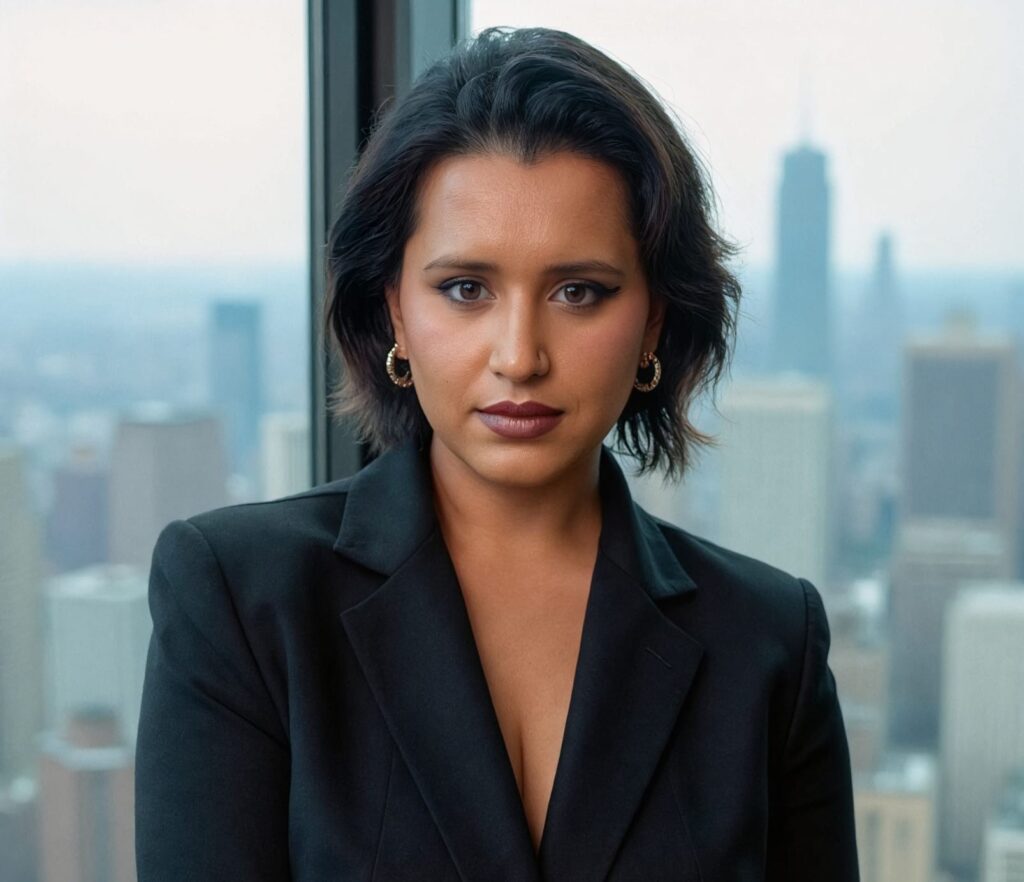
Nishita Rao (she/her) holds an MS in Neuroscience with a focus on Behavioral Neuroendocrinology and a BE in Biotechnology, specializing in Brain-Computer Interfaces & Phytochemistry. Her courses span across disciplines such as Sexual Sciences, Neuroscience, Anthropology, Molecular Biology, Behavioral Sciences, Political Science, Linguistics, Dance Ethnography, Ethnomusicology, and more. She is also the First Indian AASECT Certified Sex Educator (CSE).