This module offers a specialized and unflinching examination of sex work and sex-positive perspectives, designed for those who wish to engage deeply with these often-marginalized topics. It provides a rigorous analysis of the political and legal landscapes that govern sex work, critically comparing decriminalization and legalization models and their real-world impacts on bodily autonomy, safety, and labor rights. The curriculum delves into the complex nexus of freedom, trafficking, and ownership, challenging simplistic narratives and fostering a nuanced understanding of the economic and social forces at play. By centering the lived experiences of sex workers, the module aims to equip participants with the critical tools necessary to engage in informed and ethical advocacy.
The X-Handbook further endeavors to correct the historical record by uncovering the erased and often-unacknowledged contributions of sex workers to society and culture. It re-examines foundational national narratives to reveal the pivotal roles of “founding mothers” in the sex trade and undertakes a deep-dive into the history of sacred eroticism and desire, re-contextualizing the legacies of courtesans. This historical lens is complemented by a critical deconstruction of the pervasive stereotypes, orientalism, and sexualization that continue to shape public perception. The module also explores the rich artistic and cultural production within sex worker communities, analyzing how dance, music, and literature have been used to choreograph identity, resist erasure, and articulate a unique sexual politics.
Finally, this module directly confronts the internal schisms within feminist movements, particularly the silencing of trans sex workers and Global South sex workers. It creates a space to engage with these “partially pink” and often-unheard tales, advocating for a more inclusive and intersectional feminist praxis. The inquiry extends to the corporeal and aesthetic politics of the trade, examining how fashion, makeup, and the performance of beauty intersect with labor and identity. By addressing the overlooked wellness and reproductive justice issues within the community and ultimately questioning the very construction of a gendered society, the X-Handbook works to dismantle the axis of stigma and build a framework grounded in liberation, dignity, and self-determination.
Courses
- PERFORMANCE PARADIGM: When Drag Culture becomes ritualized & celebrated
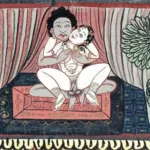
- EROTIC TEXTS OF INDIA: Rediscover Kamasutra and more.
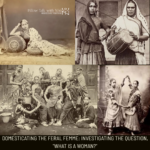
- DOMESTICATING THE FERAL FEMME: Investigating the question, “What is a Woman?”
- INTERSECTIONAL RELATIONALITIES: Decolonizing attachments, intimacies and relationships
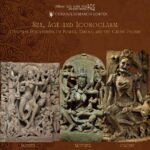
- SEX, AGE & ICOLONOCLASM: Cultural Discourses of Power, Taboo, and the Crone Figure
- POLICING SEXUAL AGENCY: Wives, Paramours, and Trans Women

- BELLY DANCE: History, Politics and Evolution of Sex Work Art Form

- I DESIRE TO BE DESIRELESS: When Ace Erotics became the Norm