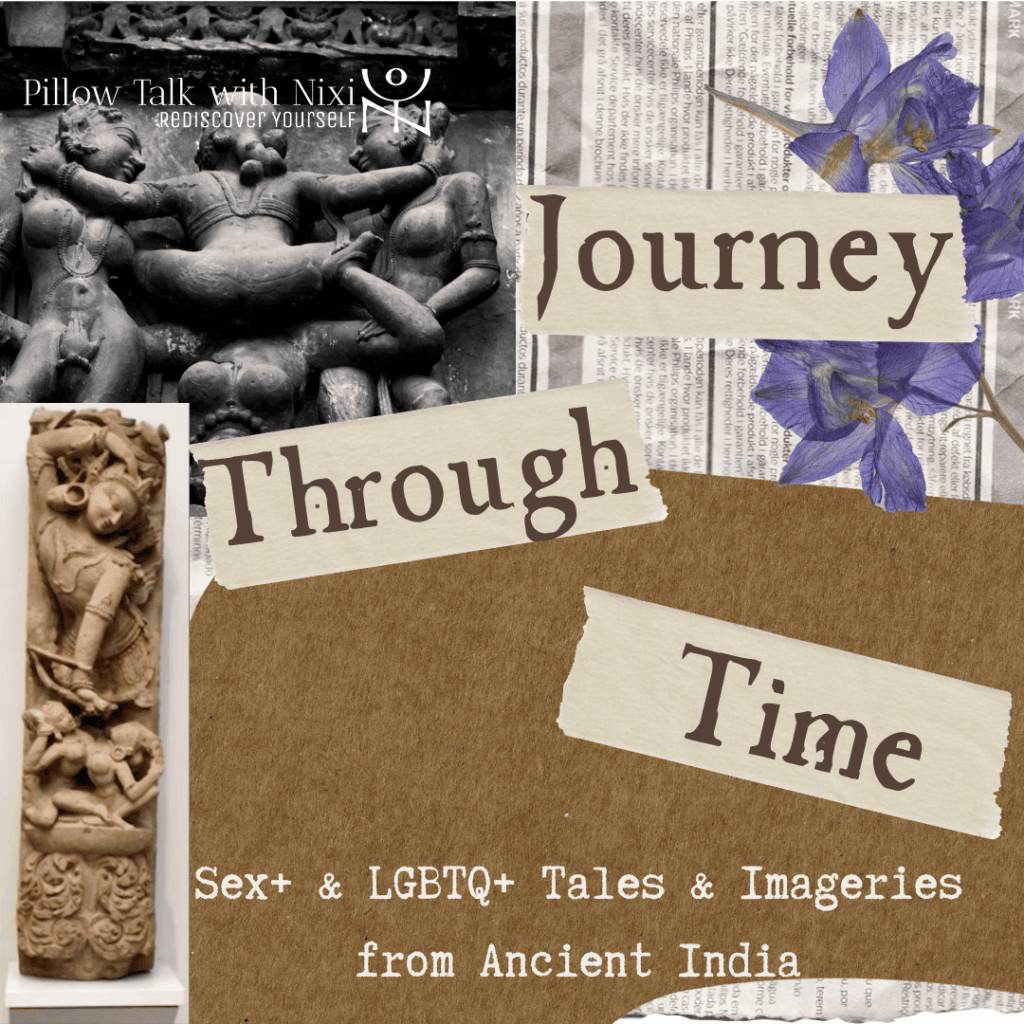
[3 CE CREDIT HOURS]
AASECT CATEGORY
CKAs: C, D, E, F, P
SETs: A, D, E
DESCRIPTION
Ever imagine a world where transwomen were considered kingmakers and royal bodyguards, where crossdressing people created fashion trends that cis-gendered people followed? A world where a trans-man ruled as a king, an intersex deity married a gender-fluid royal, a femme-Buddha was elevated to the ranks of a deity. The practice of oral storytelling has dominated much of human history. We shall be delving into these oral histories that speak of values, beliefs and attitudes that dictate social norms of ancient civilizations.
In SWANA region, South Asia and Southeast Asia, we have a rich history that goes beyond the binary. From Khwajasaras (gender non-conforming people and transwomen) who were appointed to the ranks of guarding royal households to Rani Rudrama Devi, princess of Kakatiya Dynasty, who had a state-sponsored ceremony (Putrika Puja) to transition into a prince, the heir to the throne, Rudradeva Maharaja. From stories of intersex deities like Mercury (Buddh Graha) to their gender-fluid partner, Ila/Sudyumna (who went by mother for 6 months and father for the rest, for their children). From a femme-Buddha, Tara, being elevated to the ranks of a deity in China to Khawalat dancers (who would cross-dress as women performers, and kept the Egyptian traditional dance, Ghawazee alive). We have a rich history of people who took center-stage in the heights of their civilizations, and weren’t relegated to the margins… well, not until colonization.
If one were to travel south to the state of Andhra Pradesh, one would encounter cis-men composing poetries were they reimagined themselves as the woman (lover/wife/courtesan) of their beloved from an ontologically different plane. The range of emotions documented in their poems elicit a degree of desire among even the audiences. These poems today are still staged as songs, accompanied by elaborate classical dance-drama traditions in Khuchipudi and Bharatanatyam. These songs are also classified as Shringara Padams as they elicit sensual and erotic desires in those who engage with Indian aesthetics. In fact, in the village of Kuchelapuram, Brahmin men still give homage to the poet, Siddhendra Yogi, by dressing up as a woman and performing “Satyabhamane”, one of the popular compositions depicting Siddhendra’s relationship with his beloved.
LEARNING OBJECTIVES
- At the end of the session, attendees will be able to interpret how pre-colonial storytelling traditions across SWANA, South Asian, and Southeast Asian cultures embedded gender and sexual diversity into the fabric of everyday life, ritual, and aesthetics, rather than treating it as exceptional or marginal discourses.
- At the end of the session, attendees will be able to curate a personal collection of cross-cultural tales depicting gender and sexual diversity that can be used in professional practice, educational settings, and shared with children, students, and communities as part of an expanded cultural competency toolkit.
- At the end of the session, attendees will be able to evaluate the cross-cultural relevance of these historical narratives for expanding contemporary understandings of gender and sexual diversity beyond Western clinical and binary frameworks.
EDUCATOR BIO
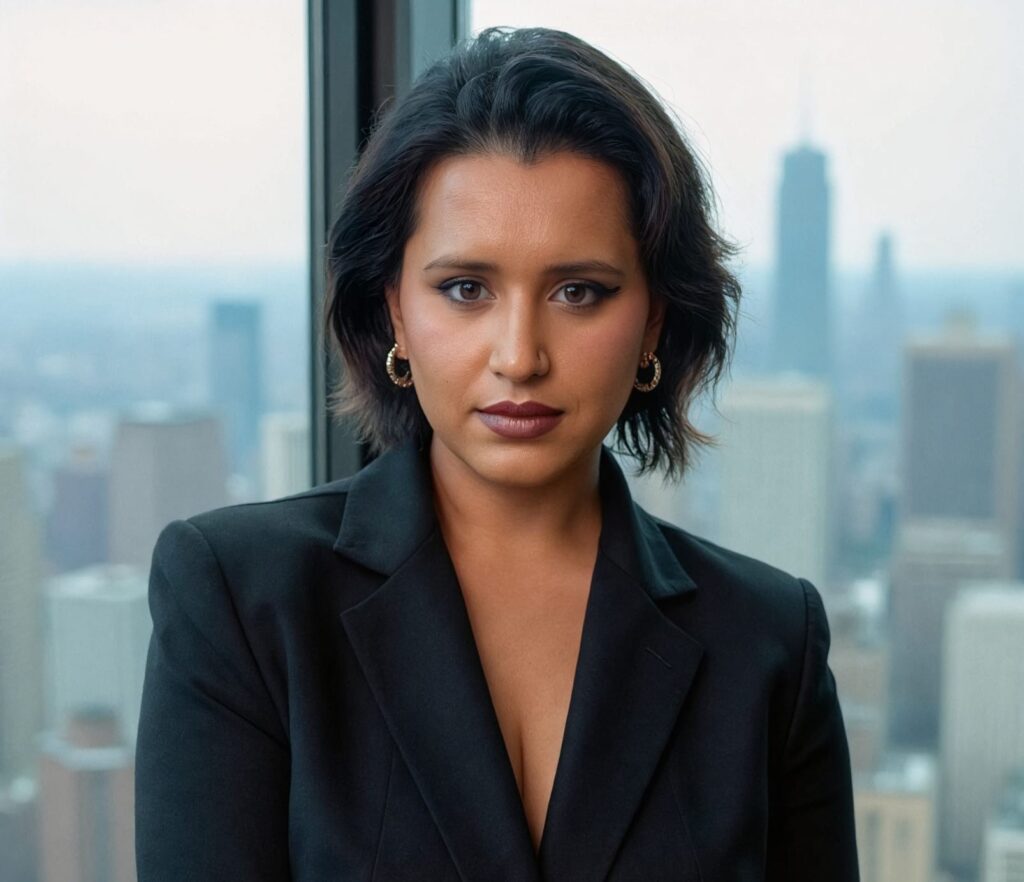
Nishita Rao (she/her) holds an MS in Neuroscience with a focus on Behavioral Neuroendocrinology and a BE in Biotechnology, specializing in Brain-Computer Interfaces & Phytochemistry. Her courses span across disciplines such as Sexual Sciences, Neuroscience, Anthropology, Molecular Biology, Behavioral Sciences, Political Science, Linguistics, Dance Ethnography, Ethnomusicology, and more. She is also the First Indian AASECT Certified Sex Educator (CSE).