[6 CE CREDIT HOURS]
AASECT CATEGORY
CKAs: A, B, C, D, O, P, Q
SETs: A, B, C, D, E
STTs: A, E, F
SCTs: A, B, E, F
DESCRIPTION
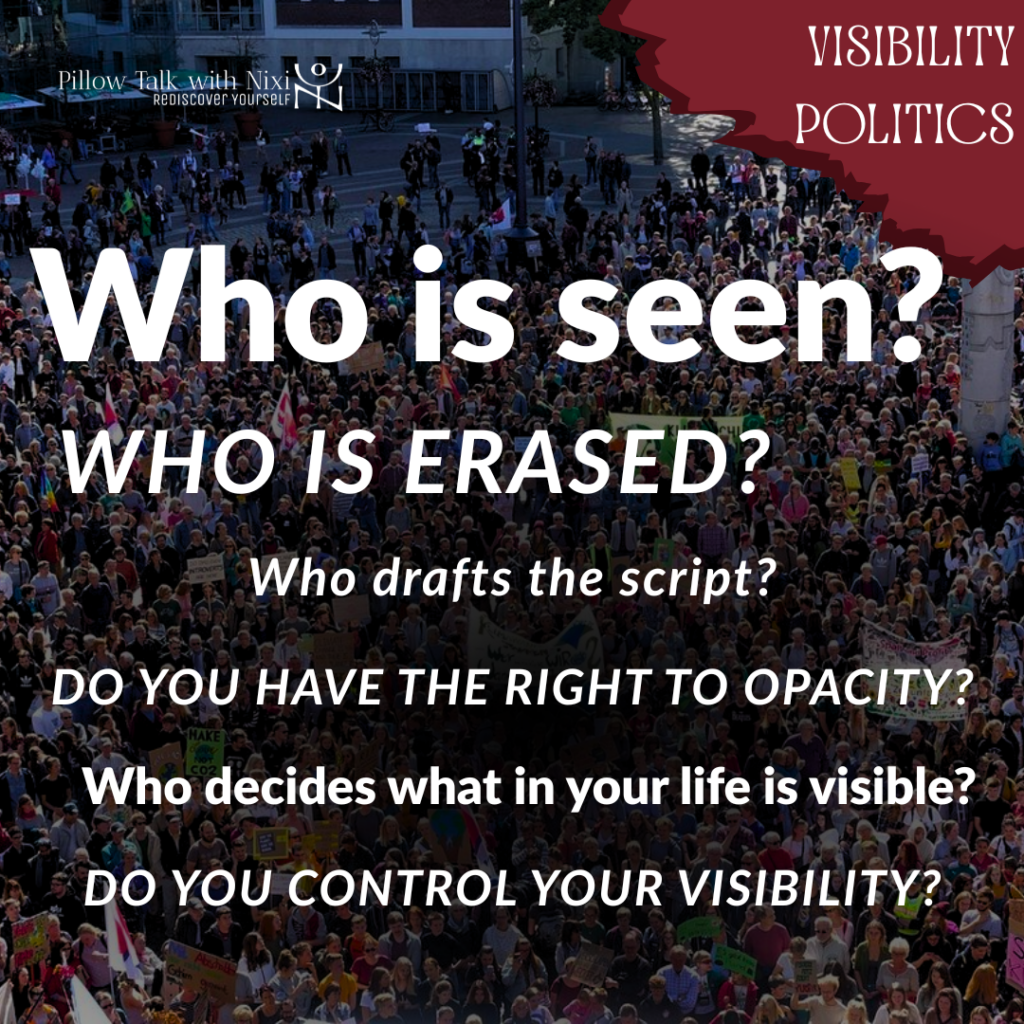
Who is seen? Who is erased? Who drafts the script? Do you have the right to opacity? Who decides what in your life is visible? Do you control your visibility? Do you need to be unveiled? Are you being legislated as legible or illegible by your state? Should you have certain genitals to be designated into “state-approved” boxes? Do you have to choose identities in order to be represented? Who is the subject and who is the object? When does visibility endanger you?
“The woman who sees without being seen frustrates the colonizer” – Frantz Fanon
Who is a woman? Who is considered human? Who gets to have access to human rights? Are you human enough to be considered legible? Does your visibility endanger you?
Gender and sexuality have always been political battlegrounds. Authoritarian governments continue to legislate bodies, stripping people off their autonomy and classifying them in state-approved categories Visibility here, does two jobs, one of dissent and liberation, and the other of surveillance and policing. When structural violence gets normalized, what dynamics does your visibility play with? Across race, caste, class, religion, nationality, gender, sexuality, immigration status, who is seen and who is invisible? For whom does visibility become a liability? This course examines intersections of lived experiences with clinical practice, educational platforms, research standards and legal institutions. Join us as we critically investigate sexological spaces for the right to visibility.
LEARNING OBJECTIVES
- By the end of the session, attendees will be able to identify at least three ways an authoritarian state polices the body, and analyze how those policies differentially impact BIPOC, immigrant, gender and sexuality minorities, and Global South communities. [CKA: C,D] [SET: D] [STT: F] [SCT: B,E]
- By the end of the session, attendees will be able to examine the role of visibility as both a tool of liberation and a mechanism of surveillance, using a minimum of two historical case studies drawn from non-Western contexts. [CKA: C,D,P] [SET: B,D] [STT: A] [SCT: A,B]
- By the end of the session, attendees will be able to apply an intersectional framework, across race, class, religion, nationality, gender, sexuality, and immigration status, to assess how visibility politics operates in their own clinical, educational, or research practice. [CKA: A,C,D,O] [SET: A,C,D] [STT: E,F] [SCT: B,E,F]
- By the end of the session, attendees will be able to critically evaluate the WEIRD (Western, Educated, Industrialized, Rich, Democratic) bias in sexological research, education and clinical practice, and articulate how that bias shapes the evidences that inform professional practices. [CKA: P,Q] [SET: B,C] [STT: F] [SCT: E]
- By the end of the session, attendees will be able to distinguish between pre-modern, non-Western models of queerness and contemporary Western sexual identity categories, and explain the political consequences of treating those categories as universal. [CKA: B,C,D,P] [SET: D] [STT: A] [SCT: B]
- By the end of the session, attendees will be able to analyze at least one concrete change they will implement in their practice. [CKA: A,O] [SET: A,C,E] [STT: F] [SCT: E]
EDUCATOR BIO
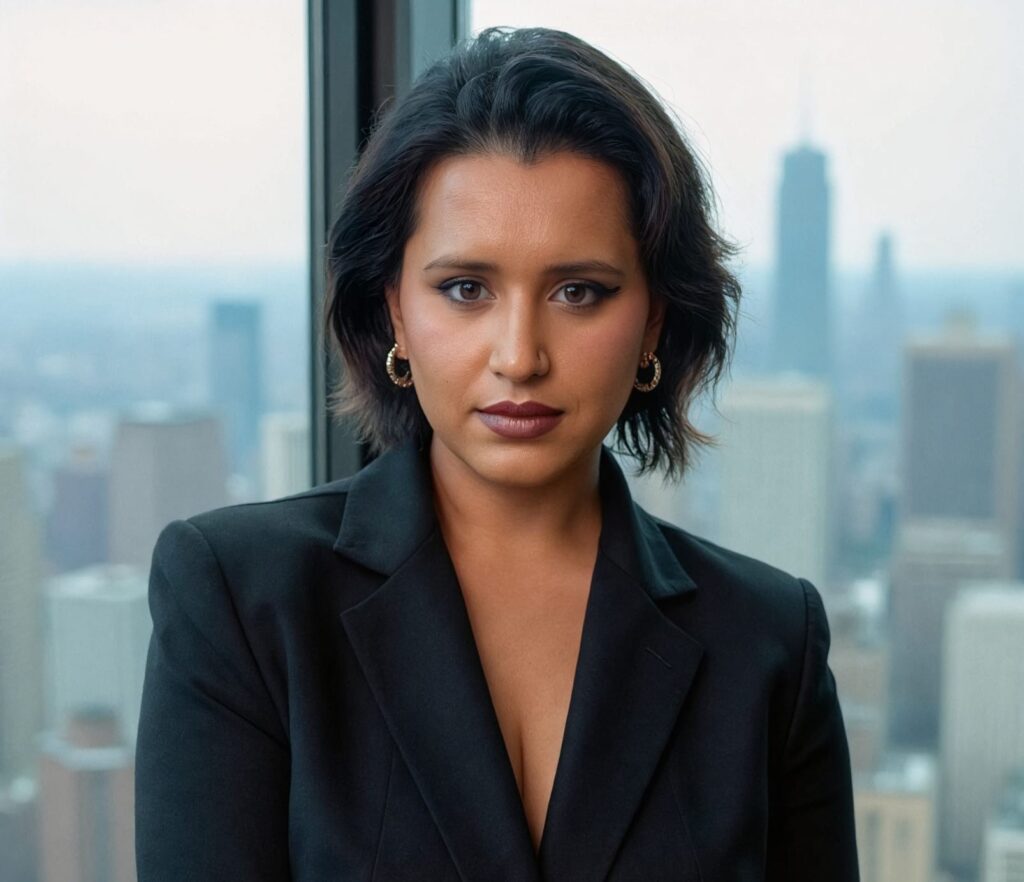
Nishita Rao (she/her) holds an MS in Neuroscience with a focus on Behavioral Neuroendocrinology and a BE in Biotechnology, specializing in Brain-Computer Interfaces & Phytochemistry. Her courses span across disciplines such as Sexual Sciences, Neuroscience, Anthropology, Molecular Biology, Behavioral Sciences, Political Science, Linguistics, Dance Ethnography, Ethnomusicology, and more. She is also the First Indian AASECT Certified Sex Educator (CSE).