This module maps the complex and often violent intersections of power, politics, and the human body across geographical and historical landscapes. It provides a critical lens through which to analyze how modern nation-states and colonial powers have historically managed populations, disciplined bodies, and constructed notions of the ‘normal’ and the ‘other.’ The inquiry delves into the very origins of capitalism and colonization, tracing their biopolitical logics from historical case studies to contemporary geopolitics. By examining the mechanisms of borders, the marginalization of migratory peoples, and the scientific construction of social norms, the module seeks to expose the cartographies of power that are inscribed onto both land and flesh.
The curriculum further investigates the legacy of colonialism on cultural identity and corporeal experience. It undertakes a decolonizing critique of knowledge systems, from spiritual practices to scientific theories, challenging the Eurocentric biases that have long dominated academic discourse. This includes a rigorous exploration of whiteness studies, which turns the ethnographic gaze back onto the structures of power and privilege that have shaped the modern world. Through a critical examination of how post-colonial identities are renamed, reclaimed, and rebuilt, the module interrogates the ways in which the colonized body has been both literally and metaphorically consumed, controlled, and commodified.
Finally, the Biopolitical Cartography module extends its analysis to the aesthetic and sensory realms, revealing how politics permeates even the most intimate aspects of our lives. It scrutinizes the colonial control embedded in our perceptions of taste, the politics of food and drink, and the historical narratives woven into our hair and skin. By dissecting the gendered and racialized dimensions of fashion, makeup, and beauty standards, the module uncovers the subtle yet pervasive ways in which biopower shapes our daily existence. This comprehensive mapping of the biopolitical landscape challenges participants to recognize and critique the systems of control that govern our bodies, our relationships, and our very sense of self.
Courses
- PERFORMANCE PARADIGM: When Drag Culture becomes ritualized & celebrated
- EROTIC TEXTS OF INDIA: Rediscover Kamasutra and more.
- DOMESTICATING THE FERAL FEMME: Investigating the question, “What is a Woman?”
- INTERSECTIONAL RELATIONALITIES: Decolonizing attachments, intimacies and relationships
- CULTURAL IMPERIALISM & SPIRITUAL SCAVENGING: Deconstructing Whiteness & Eurocentrism in Sex Therapy, Counselling and Education
- SEX, AGE & ICOLONOCLASM: Cultural Discourses of Power, Taboo, and the Crone Figure
- MATRI-LINES OF SEXUAL SOVEREIGNTIES: An Exploration into Matri-archal/linial/local societies
- WITCHY ARCHETYPES (The Slut, Lesbian & Hag): Unraveling Societal Biases in Reproductive Choice
- CHROMVOLUTION: The Sociocultural Evolution of Color Perceptions

- PATHOLOGIZING DIFFERENCE: A Critique of Sexual Interest, Arousal & Desire Disorders
- CULTURAL SPA: Healing Inherited Wounds
- CRITIQUING ATTACHMENT THEORY: A Collectivist Society Perspective

- WHO AM I? Identity Questions that feel unsafe (a non-White collectivist perspective)
- POLICING SEXUAL AGENCY: Wives, Paramours, and Trans Women
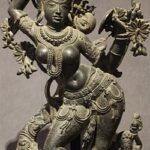
- BELLY DANCE: History, Politics and Evolution of Sex Work Art Form

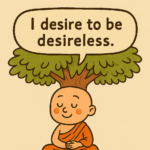
- I DESIRE TO BE DESIRELESS: When Ace Erotics became the Norm
- DECOLONIZING TANTRA: Reclaiming the Indigenous Knowledge