Description
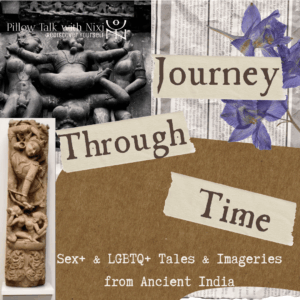
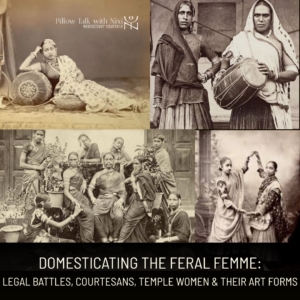
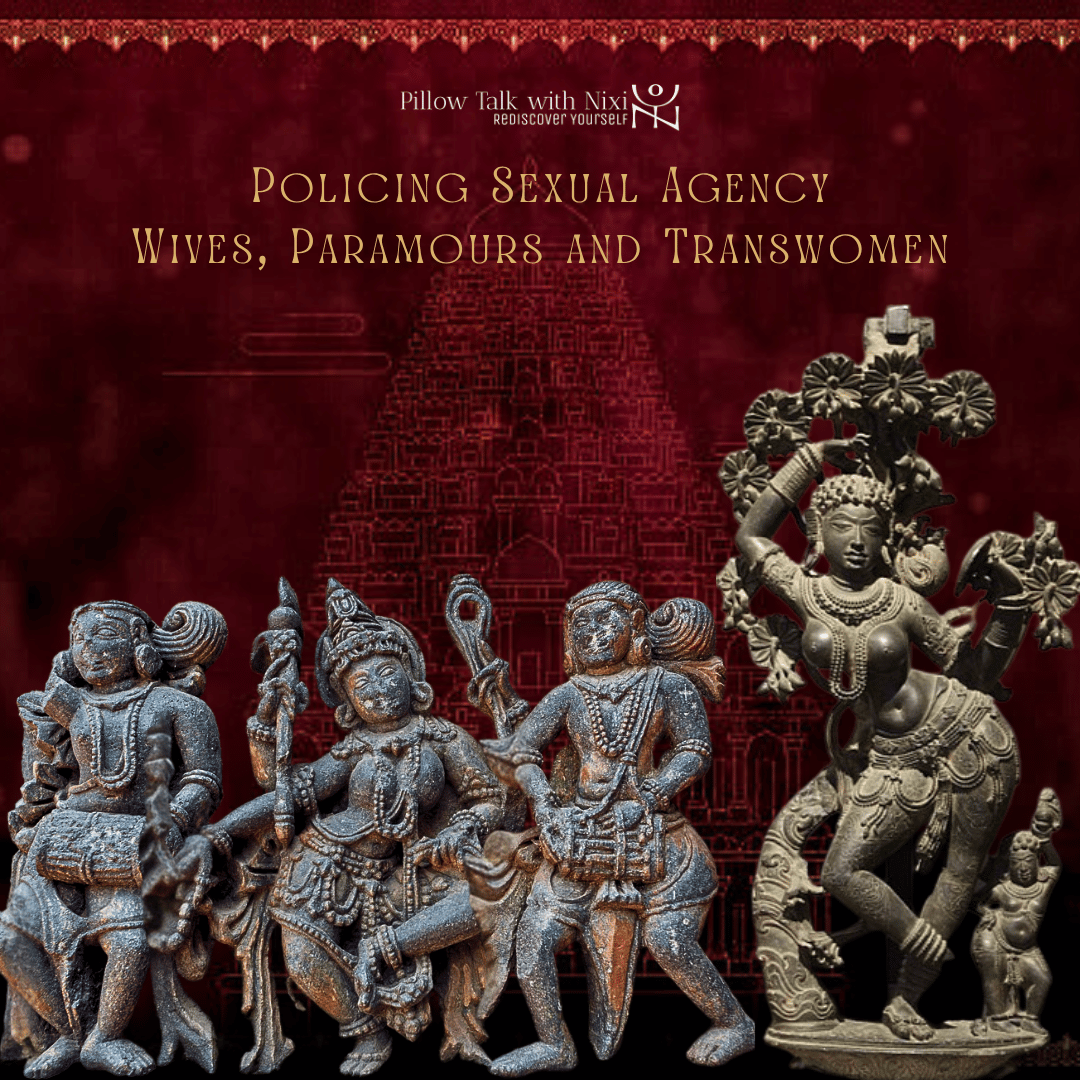
Join me as I navigate through 18th century families, where wives, widows and paramours lived together under the same roof. This presentation shall also investigate the impact of society’s adoption of colonial morals on the perception queer desires and non-monogamous relationships.
We will also attempt to decolonize dominant assumptions about monogamy by examining how it came to be framed as the social ideal. Rather than a universal norm, its rise is closely tied to the political needs of emerging nation-states. Monogamous marriage provided a convenient system for regulating sexuality, managing inheritance and property, and organizing populations. In this way, it has historically functioned as a tool through which states police and control bodies.
This webinar examines lexical variation in the transmission of a single Carnatic (South Indian) composition, Marakatavallīm Mānasā, to ask how an oral-performance archive may register the uneven preservation of trans-femme agency. Drawing on an assembled corpus of 75 vocal renditions—archival recordings, online performances and pedagogical texts—the study codes variants at the phrase conventionally rendered hari-hṛdayāveśinīm, alongside associated phrase-level substitutions. It combines descriptive frequency analysis and first-attestation chronology with Sanskrit morpho-semantic analysis.
The webinar introduces political philology as a method for reading morphological and lexical variation in performances in relation to the sociopolitical conditions of their circulation. It argues that the oral archive can furnish historically situated evidence of how trans-femme agency becomes attenuated, rendered opaque, or reconfigured as the song pass through changing institutions of authority.
LEARNING OBJECTIVES
- By the end of the session, attendees will be able to analyze lexical substitutions over centuries to identify potential sociopolitical biases in oral transmission.
AASECT Individual CE Provider #26-622-NR – You can review my Grievance Policy Here. This course meets the requirements of the American Association of Sexuality Educators, Counselors and Therapists (AASECT) and is approved for 1 CE credit. These CE credits may be applied toward AASECT certification and renewal of certification. Completion of this program does not ensure or guarantee AASECT certification. For further information please contact info@aasect.org.