FEMME ARCHITECTONICS | X-HANDBOOK | BIOPOLITICAL CARTOGRAPHY |
[5 CE CREDIT HOURS]
AASECT CATEGORY
CKAs: A, C, D, E, F, J, P, Q
SETs: A, D
EDUCATOR: Nishita Rao, CSE
WEBINAR [Synchronous/Virtual]
Distance Learning – Recordings available on The Elsewheres
DESCRIPTION
Let me preface by saying that the term ‘Belly dance” has no equivalence in any African language or in Arabic (i.e. it doesn’t exist). So what is belly dance? And how did it come to become the most popular sex worker artform today? What role did Western Feminist Movements play in its Feminization and Sexualization?
Belly dance as a term was first recorded in English in 1883, and yet the dances are centuries old. This orientalist fabrication and colonial fantasy continue to dominate our perceptions today, informing choreographies in burlesque, cabaret, ballet and their boutiques. Let’s go back in time, to revisit the costuming, music and props. Let’s adorn the scarves, try the 3/4 shimmy, and explore the dance forms displaced by modern interpretations of belly dance.
LEARNING OBJECTIVES
- By the end of the class, participants will be able to provide a critical analysis of the sexualization of belly dance and other indigenous dance forms
- By the end of the class, participants will be able to challenge Eurocentric narratives of the dance and its gender associations
- By the end of the class, participants will be able to highlight the lasting impact of colonial ideologies on contemporary cultural practices
- By the end of the class, participants will be able to decolonize their practice and dance by platforming indigenous knowledge bases
AVAILABLE ON
ErosCoaching AASECT CE · Standard Access Access Now The Elsewheres AASECT CE · Collective Access Access Now Forbidden Tickets Community Access Access Now Eventbrite Open Access Access Now Learn More about AASECT.
Access Key
Standard Access: Full course access with AASECT Continuing Education credits. Ideal for licensed clinicians and certified professionals fulfilling CE requirements (First-come, first-served).
Collective Access: Full course access with AASECT Continuing Education credits, offered at a lower price point to support decolonial participation across professional communities (First-come, first-served).
Community Access: Full course access without AASECT CE credits, designed for BIPOC, queer, kink+, and sex-positive community members engaging outside of a clinical or certification context.
Open Access: Registration open to all, including international students. No AASECT CE credits
EDUCATOR BIO
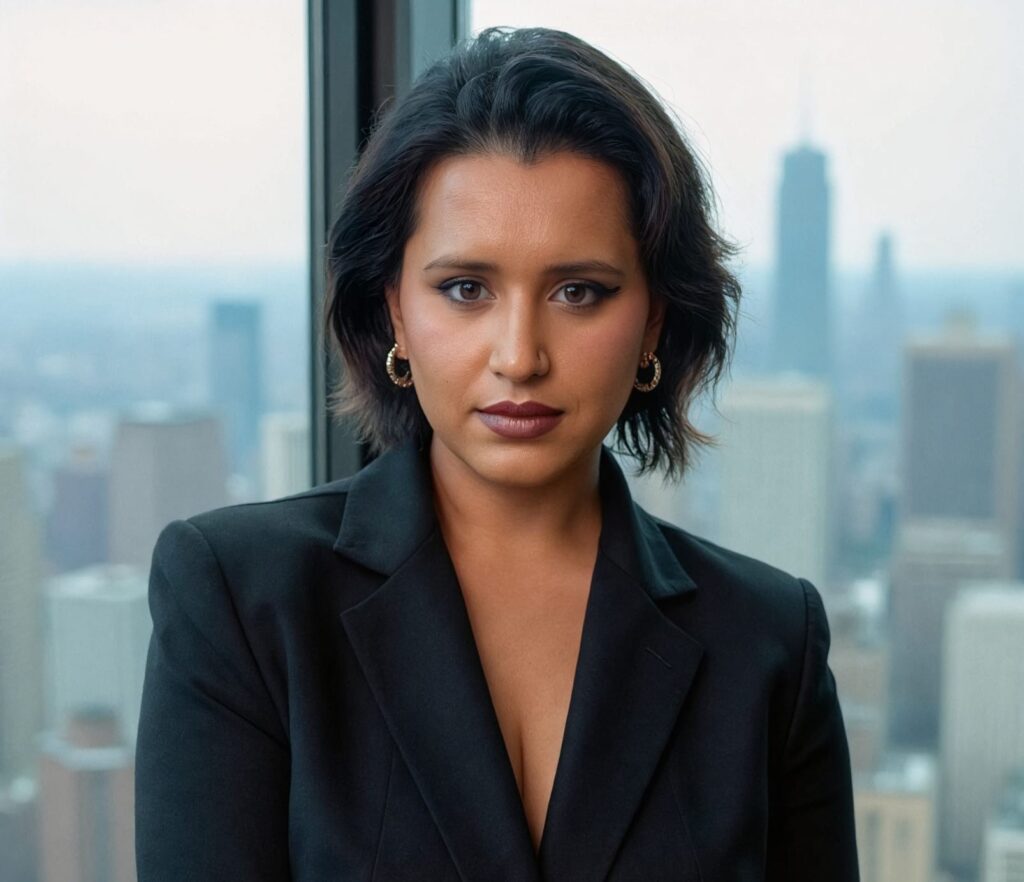
Nishita Rao (she/her) holds an MS in Neuroscience with a focus on Behavioral Neuroendocrinology and a BE in Biotechnology, specializing in Brain-Computer Interfaces & Phytochemistry. Her courses span across disciplines such as Sexual Sciences, Neuroscience, Anthropology, Molecular Biology, Behavioral Sciences, Political Science, Linguistics, Dance Ethnography, Ethnomusicology, and Paleoclimateology. She is also the First Indian AASECT Certified Sex Educator (CSE). She is also a Reiki Grandmaster.