FEMME ARCHITECTONICS | BIOPOLITICAL CARTOGRAPHY | X-HANDBOOK
[3 CE CREDIT HOURS]
AASECT CATEGORY
CKAs: A, C, E, F, M, P, Q
SETs: C, D
DOI:
EDUCATOR: Nishita Rao, CSE
WEBINAR [Synchronous/Virtual]
Distance Learning – Recordings available on The Elsewheres
DESCRIPTION
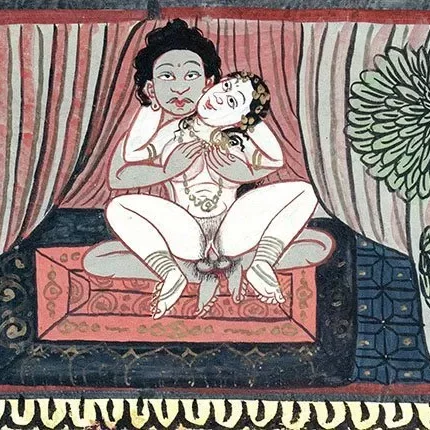
In 1883, Kamasutra made its first appearance in English Literature, published by the Hindoo Kama Shastra Society. However, that organization never existed. It was a fictitious body created by Sir Richard Francis Burton and his associate, Forster Fitzgerald Arbuthnot. Its sole purpose was to circumvent the Victorian-era obscenity laws (Obscene Publications Act 1857). And so, “Kamasutra” was published by the English as a foreign academic work, as opposed to domestic pornography. Everything we know about Kamasutra is completely fabricated.
Kama, loosely translated as pleasure, in the Kamasutra is defined as “the harmonious engagement of the ears, skin, eyes, tongue and nose with their respective sense objects, all regulated by the mind, which is itself connected to the Self. Further, through a particular kind of touch, it leads to fruitful sensory experience, which is filled with a delight arising from erotic arousal; that is the highest from of pleasure.”
This definition helps understand Kama from a more nuanced perspective, from looking into human faculties, as opposed to just sex. To merely reduce these reads to sex manuals, disregards a rich scholarship dedicated to understanding complexities of human desire.
“Pleasure is increasingly commodified through a manufacturing sense of pleasure deficit, casting pleasure as something to be acquired, something to be enhanced, optimized or normalized in your bodies.” – Shubham Arora, University of British Columbia
Kamashastra is concerned with the nature, aesthetics and bodies of pleasure, one among many manuals of the era, namely Dharmashastra, Arthashastra and Mokshashastra. The well-known version of these texts, are a compilation by Vatsyayana called Kamasutra, Aphorisms of Pleasure (300-400 CE). Several other premodern erotic texts didn’t receive the same popularity, such as Kokkoka’s Ratirahasya, Secrets of Lovemaking (1200 CE), Padmashri’s Nagararasarvasva, Everything an Urban Gentleman Needs to Know (1100-1200 CE), Rudrabhatta’s Sringaratilaka, The Ornament of Love (before 1173 CE) and Sangam Akkam Literature in Tamil (300 BCE-300 CE). In fact, today, a little over 30 erotic texts in Sanskrit have been revived, translated and studied.
Today, these texts are reduced to mere oriental fantasies, subjected to sexualization, commodification, Sanskritic nationalism. In the West, these texts pave the path for promotion of “wellness” retreats, digital dating apps, and sexual/spiritual tourism, often hosted in countries of the Global South, promoting capitalistic exploitation.
LEARNING OBJECTIVES
- By the end of the session, attendees will be able to deconstruct orientalist fantasies from interpretations of Kamashastra.
- By the end of the session, attendees will be able to analyze the impact of social reform movements, rising nationalism and role of colonialism on the sanitization and eroticization of the texts.
- By the end of the session, attendees will be able to deconstruct complexities of human desire, as expressed by different authors over centuries.
AVAILABLE ON
ErosCoaching AASECT CE · Standard Access Access Now The Elsewheres AASECT CE · Collective Access Access Now Forbidden Tickets Community Access Access Now Eventbrite Open Access Access Now Learn More about AASECT.
Access Key
Standard Access: Full course access with AASECT Continuing Education credits. Ideal for licensed clinicians and certified professionals fulfilling CE requirements (First-come, first-served).
Collective Access: Full course access with AASECT Continuing Education credits, offered at a lower price point to support decolonial participation across professional communities (First-come, first-served).
Community Access: Full course access without AASECT CE credits, designed for BIPOC, queer, kink+, and sex-positive community members engaging outside of a clinical or certification context.
Open Access: Registration open to all, including international students. No AASECT CE credits
EDUCATOR BIO
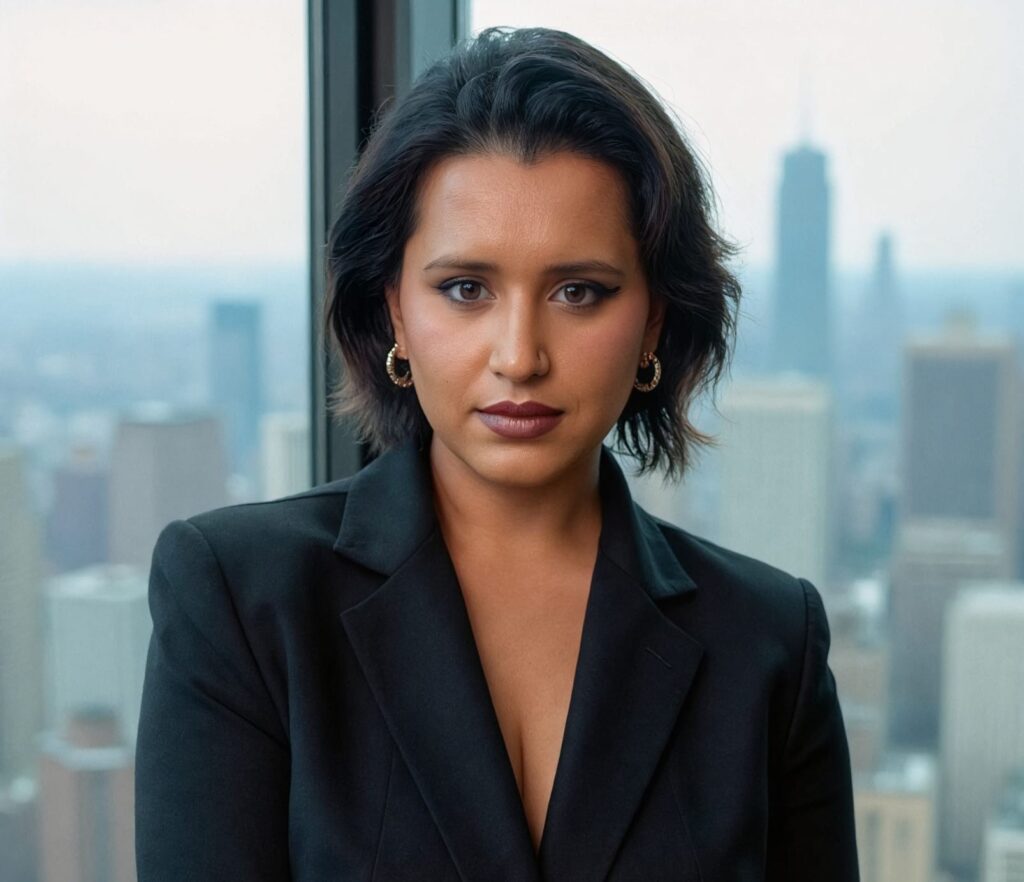
Nishita Rao (she/her) holds an MS in Neuroscience with a focus on Behavioral Neuroendocrinology and a BE in Biotechnology, specializing in Brain-Computer Interfaces & Phytochemistry. Her courses span across disciplines such as Sexual Sciences, Neuroscience, Anthropology, Molecular Biology, Behavioral Sciences, Political Science, Linguistics, Dance Ethnography, Ethnomusicology, and Paleoclimateology. She is also the First Indian AASECT Certified Sex Educator (CSE). She is also a Reiki Grandmaster.