Description
We live in a society that normalizes violence against the “other”. Where are these ideas of the “other” stemming from? Why do some people feel the need to not only oppress but also exhibit violence? What is the Psychology behind Dehumanization and Discrimination? How is Social Disgust used as a political tool meant to entice the public against the “social threat”? What gets classified as a “Social Threat”?
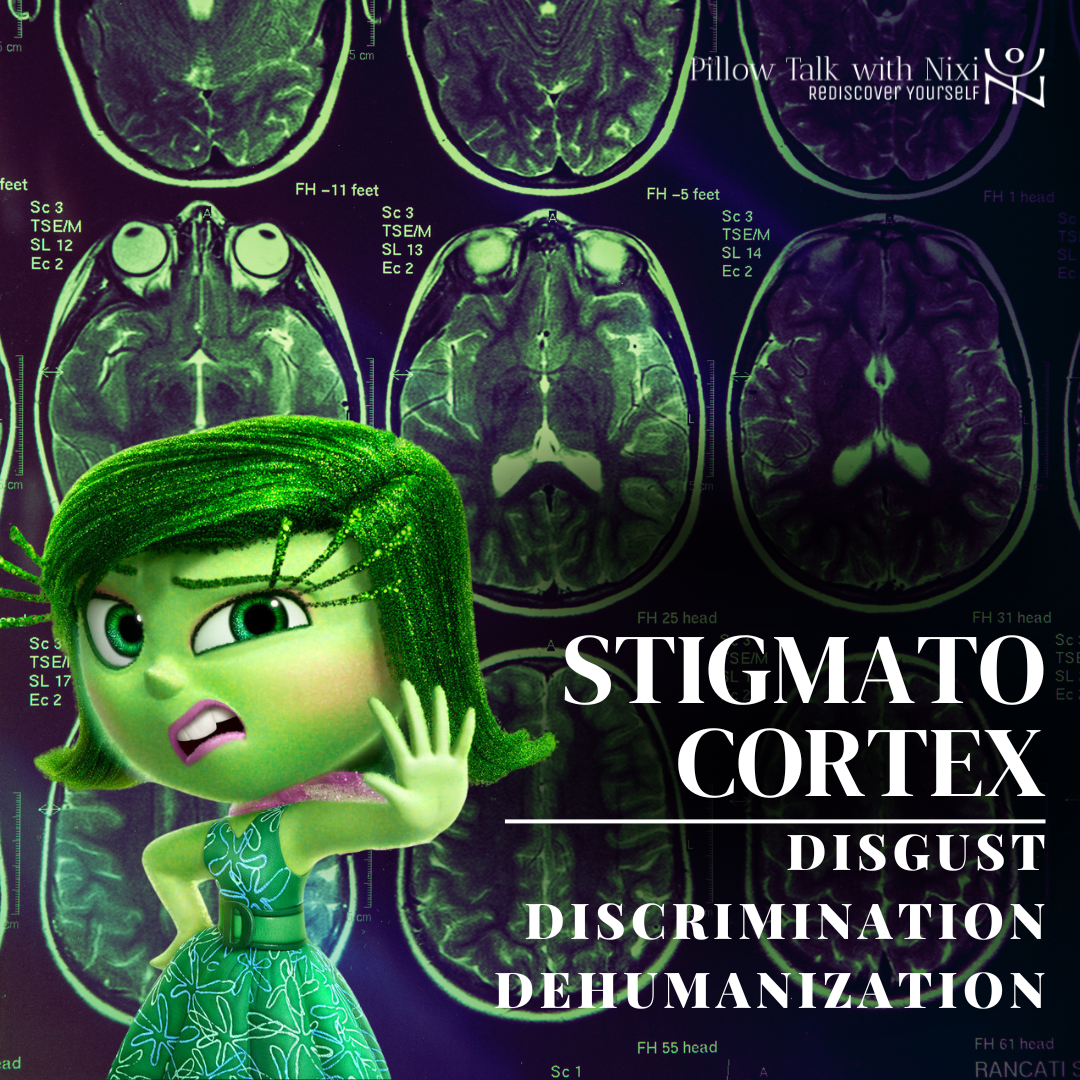
Disgust is a powerful emotional reflex shaped by both biology and social learning, with far-reaching implications for how we judge, exclude, or care for “others”. In StigmatoCortex, we examine disgust as a neurocognitive event that fuels dehumanization and stigma, especially against bodies and behaviors marked as the outgroup.
Drawing from neuroimaging research, including racial bias studies, this session maps how disgust is internalized during early development and later weaponized against marginalized communities (e.g., queer, disabled, racialized, or kink-identified bodies). This is a foundational conversation for clinicians, educators, and sex professionals to understand how disgust not only harms relationships but sustains systems of oppression. Participants will leave with insight and tools to begin deconditioning and decolonizing disgust in themselves and in their practice.
LEARNING OBJECTIVES
- At the end of the session, attendees will be able to describe the roles of the different brain regions in the processing of core and social disgust.
- At the end of the session, attendees will be able to explain how disgust evolves from biological survival mechanisms into socially learned responses that underpin stigma and dehumanization.
AASECT Individual CE Provider #26-622-NR – You can review my Grievance Policy Here. This course meets the requirements of the American Association of Sexuality Educators, Counselors and Therapists (AASECT) and is approved for 2 CE credits. These CE credits may be applied toward AASECT certification and renewal of certification. Completion of this program does not ensure or guarantee AASECT certification. For further information please contact info@aasect.org.